


Andranik "Andy" Boyadzhyan, Esq.
Founding Attorney
Licensed in Alabama, Missouri, New Mexico and Washington, D.C.
Featured in CNN, Forbes, Variety
Serving New York
Hurt in a crash? The insurance company already has a team working on your claim. You should too. A free call tells you where you stand.
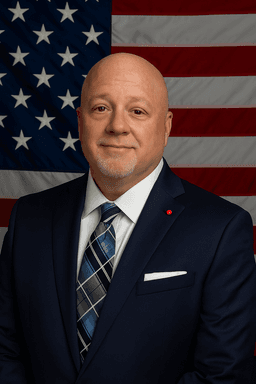 Your attorneyPaul Perkins, Esq.Of Counsel. Licensed in New York.
Attorney advertising. Services are not available in all states.
Reviewed by Paul Perkins, Attorney at Law, Of Counsel. Meet the team
In New York, Insurance Law 5106 requires your no-fault insurer to pay within 30 days of receiving proof of claim. That covers medical bills and lost earnings, 80 percent up to 2,000 dollars a month. A late payment owes interest at two percent per month. Call (646) 212-1017 if a bill is being delayed.
It sets the payment clock for no fault benefits, so once the insurer has proof of loss, overdue payments after 30 days earn interest.
New York Insurance Law section 5106 subsection (a) sets the payment clock for no fault benefits. Once the insurer receives proof of the fact and amount of a loss, the payment is due. If it is not paid within 30 days it is overdue, and overdue benefits earn interest at two percent per month. When a claim has to be litigated or arbitrated to get paid, the statute also makes the insurer responsible for a reasonable attorney's fee.
The section exists because no fault was designed to get crash victims treated quickly without a fight over blame. The 30 day rule is the enforcement mechanism. It applies to every benefit inside basic economic loss under New York Insurance Law section 5102: medical bills, lost earnings and other necessary expenses.
The deadlines for you, the injured person, come from the regulations rather than the statute. Under 11 NYCRR 65-1.1, written notice of the accident is due to the no fault insurer within 30 days, and each medical bill is due within 45 days of the service. Miss those and the insurer may deny the bill unless you send written proof of a clear and reasonable reason for the delay, so getting the no fault application on file comes first.
It protects you whenever an insurer sits on a bill, because the clock starts when the insurer receives proof of your claim.
It protects you whenever an insurer sits on a bill. The clock starts when the insurer receives proof of claim, which for a medical bill is the provider's bill on the standard no fault form, and for lost wages is your employer's wage verification. If the insurer wants more information it must ask within a set time, and a proper request pauses the clock only for the missing item. A vague request for 'all records' does not.
Interest under section 5106 is simple interest at two percent per month on the overdue amount, which is 24 percent a year. On a 10,000 dollar surgical bill left unpaid for five months, the insurer owes 1,000 dollars in interest on top of the bill. That number gives a carrier a reason to pay once an arbitration demand is filed.
A driver hurt in a Brooklyn intersection crash submits a no fault application 12 days after the accident and her physical therapy provider bills 3,200 dollars on day 40. The insurer requests an independent medical examination and then says nothing. On day 71 the bill is overdue under section 5106. Her lawyer files a no fault arbitration; in this example the insurer pays the bill, 2 percent monthly interest and the attorney's fee rather than defend the delay.
If the accident notice is late, the insurer can deny the whole claim unless you send written proof of a clear and reasonable justification, such as being hospitalized. If a single bill is late, only that bill is at risk. Either way, your claim against the at fault driver for pain and suffering under New York Insurance Law section 5104 is separate and is not lost, but a bill denied for late notice cannot be claimed from the at fault driver either, so send every notice and bill on time.
Top USA Law. Services are not available in all states.
Fill in four quick fields, and a licensed attorney reviews the facts of your case at no cost.
The no fault application should go in the first week, every bill should be tracked against the 30 day clock, and overdue payments challenged.
The no fault application should go in the first week, every bill should be tracked against the 30 day clock, and an arbitration demand can follow once a payment becomes overdue. That keeps your doctors treating you instead of chasing the carrier, which matters for the serious injury proof your lawsuit will need. Paul Perkins, Of Counsel, is licensed in New York. See the New York car accident lawyer page or call (646) 212-1017.
These related guides cover the serious injury definition, the lawsuit threshold and the three year deadline to file a New York lawsuit.
Sue a private driver within three years. For a city, town or county, give notice in 90 days and sue within one year and 90 days.
A licensed New York attorney, Paul Perkins, Of Counsel, reviews every New York claim, and our team helps you in English or Spanish.
Andranik "Andy" Boyadzhyan, Esq.
Founding Attorney
Licensed in Alabama, Missouri, New Mexico and Washington, D.C.
Featured in CNN, Forbes, Variety

Paul Perkins, Esq.
Of Counsel
Licensed in New Jersey and New York
Certified by the New Jersey Supreme Court as a Civil Trial Attorney. Lawyer of Distinction in Civil Litigation.
Featured in CNBC, Bloomberg, Forbes, The New York Times
He is a distinguished trial attorney recognized for his mastery in civil litigation. A former opera performer turned litigator, Mr. Perkins brings the same discipline and precision from the stage to the courtroom, and has been recognized as a Lawyer of Distinction in Civil Litigation.
Sundas Shafi, Esq., Attorney at Law, Head of Litigation
Rosette Kalayjian, Attorney at Law
Sandra Alves, Case Manager
Four steps from your first call to the close of your claim. You focus on healing while we deal with the insurers and keep you updated.
Free consultation
Call 24/7 or send the short form. An attorney reviews what happened and tells you where you stand. Free, no obligation.
We deal with the insurers
We deal with the insurance companies, request the police report and medical records, and keep you updated.
We build your case
Evidence, witnesses, experts and the medical picture of your injuries, prepared as if the case will go to trial.
You get paid
Medical bills, lost wages, vehicle damage, and pain and suffering. No fee unless we win; costs may apply.
Reviewed by Paul Perkins, Esq.
Fill in the four short fields in this form, and a licensed attorney reviews your case for free. We respond day or night.
Top USA Law. Services are not available in all states.
Takes 30 seconds. No obligation.