

Drunk Driver Victim
$1,500,000
Insurer offered$50,000
Traumatic brain injury caused by an impaired driver. The insurer offered $50,000.
Serving New York
Hurt in a crash? The insurance company already has a team working on your claim. You should too. A free call tells you where you stand.
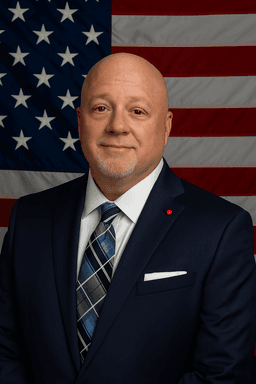 Your attorneyPaul Perkins, Esq.Of Counsel. Licensed in New York.
Attorney advertising. Services are not available in all states.
Reviewed by Paul Perkins, Attorney at Law, Of Counsel. Meet the team
In New York, a person hit by a drunk driver gets medical bills paid by no fault coverage first, then pursues the driver, and sometimes the bar that served them, for the rest, including pain and suffering when the injury is serious. Top USA Law obtains the arrest evidence, follows the driver's criminal case and handles every insurer. The consultation is free.
You have a case if a driver who had been drinking caused the crash and you were hurt. A driver who left the bars on Bedford Avenue in Williamsburg and rear ended you on the Brooklyn Queens Expressway, drifted across lanes on the Long Island Expressway after a night on Steinway Street in Astoria, or ran a light on Montauk Highway leaving the Hamptons was negligent, and the arrest that followed is most of the proof.
A conviction is not required. The district attorney has to prove guilt beyond a reasonable doubt; we only have to show it is more likely than not that the driver's carelessness caused your injury. A driver who refused the chemical test, pleaded down to driving while ability impaired, or had the charge dismissed can still be found negligent, and the officer's notes, the video from the precinct's testing room and the tab from the bar carry that burden.
You need not have been in a separate vehicle. A passenger riding with the drunk driver claims against that driver's policy. Pedestrians crossing Amsterdam Avenue after last call, cyclists on the Bruckner service road and people waiting at a bus stop on Hylan Boulevard all have claims against the driver who hit them. A passenger's claim is against the friend's insurance, and loyalty to the friend is not a reason to forfeit it.
New York's no fault system and its serious injury threshold apply in a drunk driving crash exactly as in any other, which surprises people who assume a DWI arrest changes the rules. It does not change who pays your first bills or whether you can sue for pain and suffering. What the arrest changes is fault, and fault is where most crash claims are actually fought.
The first payer is no fault. The coverage on the vehicle you were in, or on the vehicle that struck you if you were on foot or on a bike, pays your medical bills and part of your lost wages regardless of fault, up to the basic economic loss limit set by Insurance Law 5102. The written application is generally due within 30 days of the crash, and under Insurance Law 5106 the carrier must pay each bill within 30 days of proof of claim. A DWI arrest does not extend those deadlines.
The drunk driver's liability policy pays for what no fault does not: pain and suffering, wages above the no fault cap and future care. Under Insurance Law 5104 the pain and suffering claim requires a serious injury as defined in Insurance Law 5102(d), such as a fracture, significant disfigurement, a permanent consequential limitation, or a significant limitation. For lawsuits filed on or after May 26, 2026, the older 90 of 180 day category no longer applies. Impaired drivers hit hard, and most of these crashes clear the threshold, but the proof is still medical.
The owner of the vehicle is often a second policy. New York holds a vehicle's owner responsible for the negligence of anyone driving it with permission, so when the drunk driver was in a parent's car, a friend's car or an employer's vehicle, the owner's insurer is on the claim. An employer whose worker was driving home from a work event can be responsible as well.
The bar, restaurant or store is a third source. New York's Dram Shop Act allows a person injured by an intoxicated driver to sue a licensed establishment that unlawfully sold alcohol to that driver, including a sale to a visibly intoxicated person or to a minor. Social hosts face liability mainly for serving minors. The claim is proven with the tab, card records, staff and surveillance video from a bar on the Lower East Side, in the Meatpacking District or on Chippewa Street in Buffalo, and that evidence is gone within days without a preservation demand.
Your own coverage is last. Impaired drivers frequently carry the minimum policy or none at all. New York requires uninsured motorist coverage on every policy and offers supplementary underinsured coverage, and both can be found on your policy or a household relative's. A New Yorker with no coverage anywhere can claim through MVAIC, which has its own short deadlines. Every policy gets reviewed before we put a value on the case.
The value is built from the same categories as any crash: medical costs above no fault, future treatment, lost wages above the no fault benefit, lost earning capacity, out of pocket expenses and, when the injury is serious, pain and suffering, loss of enjoyment of life and scarring. Drunk driving crashes sit higher in every category because impaired drivers rarely brake before impact.
New York also permits punitive damages against a driver whose conduct showed a wanton and reckless disregard for the safety of others, and courts have recognized that driving drunk can meet that standard, especially with a high blood alcohol content, a prior conviction or a refusal to stop for police. New York has no statutory cap on punitive damages. They are awarded to punish and deter, not to compensate, and they sit on top of the compensatory award.
The catch is collection. New York public policy does not allow an insurer to pay punitive damages, and standard auto policies exclude them. A punitive award is paid from the driver's own wages, property and savings, so before we plead a punitive claim we investigate whether the driver has anything to collect. Even so, the claim has leverage: an insurer that lets a drunk driving case reach a verdict exposes its insured personally.
Venue and evidence set the rest. A Bronx County or Kings County jury values a serious injury differently from a Nassau or Westchester jury, and a case with video from the precinct's testing room is valued differently from one where the driver refused every test. We do not quote a number on the first call. When the medical picture and the criminal file are in hand, we put a demand on paper backed by both. Past results do not guarantee a similar outcome. Each case is decided on its own facts.
It happens with the driver's arrest sitting in the file. The adjuster concedes the intoxication and argues something else: you were speeding, you changed lanes without signaling, you crossed midblock, you were drinking too. Under CPLR 1411, for lawsuits filed on or after May 26, 2026, New York applies modified comparative negligence to motor vehicle injury claims, so any percentage assigned to you comes off the top, and you can be barred only if you are found more at fault than the other side. With a drunk driver at the wheel that is a hard argument for the insurer to win, so the fault argument is mostly a negotiating tool.
The passenger version is the most common. When you rode with a driver you knew had been drinking, the insurer argues that you accepted the risk. New York folds that into comparative fault, so the worst case is a percentage reduction, and the percentage depends on evidence: how much the driver had, whether it was visible, and whether you had a realistic alternative on the sidewalk outside a bar in Patchogue at two in the morning.
The threshold argument follows. The insurer's doctor reports full range of motion, the MRI is called degenerative, and the offer reflects economic loss only. We answer with treating physicians, measured range of motion deficits, imaging read by a radiologist and, where needed, a narrative report tying the injury to the crash. The driver's intoxication does not waive Insurance Law 5104, but juries hearing a drunk driving case are receptive to the injured person's account.
When no fault denies a bill after a peer review or a ten minute examination, we file for no fault arbitration so treatment continues. When the liability carrier will not pay fairly after treatment ends, we file suit in the Supreme Court of the county where the crash happened or a party lives, and discovery puts the driver, the arresting officer, the chemical test records and the bar's video on the record. Most cases settle before trial, and a case with a DWI conviction settles from strength.
A New York personal injury lawsuit must be filed within three years of the crash under CPLR 214. A wrongful death action must be brought by the personal representative within two years of the death under EPTL 5-4.1, which requires opening an estate first. Neither clock stops while the criminal case is pending, and a late filing is fatal no matter what the driver pleaded to.
The criminal case runs separately. A misdemeanor charge under Vehicle and Traffic Law 1192 is heard in the Criminal Court of the City of New York or, outside the city, in a town, village or city court, and often resolves within months. When the crash caused serious physical injury, the district attorney can charge vehicular assault, a felony heard in the county's Supreme Court or County Court that can take a year or more. In the city, the NYPD Collision Investigation Squad works up serious crashes, and its file becomes ours through discovery.
Sometimes patience with the criminal docket pays. A guilty plea under Vehicle and Traffic Law 1192 is admissible in the civil case and can settle the fault question, so we sometimes hold the demand until the plea is entered and obtain the certificate of disposition. We also make sure a plea agreement never includes a release of your civil claim, and we work with the district attorney's victim services unit on a victim impact statement and restitution for out of pocket losses.
Shorter deadlines apply when a public entity is involved. If the drunk driver was operating a city, county or public authority vehicle, General Municipal Law 50-e requires a notice of claim within 90 days of the crash. No fault deadlines are shorter still: the application within 30 days and each bill within 45 days. A hit and run claim through MVAIC needs a police report within 24 hours and a notice of intention within 90 days.
See a doctor before the night ends. Drunk driving crashes on the Belt Parkway, the Southern State and the Thruway happen at speed and late, and adrenaline hides injury for hours. Bellevue, NYU Langone, Jamaica Hospital, Kings County Hospital, Elmhurst, Lincoln and Jacobi are the city's Level I trauma centers. Tell each provider the crash involved a drunk driver, so the chart reflects it.
Get the police report number and the precinct or agency that made the arrest. The report is the beginning of the file, not the end of it. The chemical breath test given at the precinct's intoxicated driver testing unit is recorded on video, the blood draw taken at the hospital when the driver was injured is documented under a court order, and the arresting officer's notes, body camera footage and field sobriety results all exist. We obtain them through a records request, the certificate of disposition from the criminal court and, once suit is filed, by subpoena.
Preserve the bar evidence. If you know where the driver was drinking, tell us immediately. A Dram Shop claim depends on the tab, the card records, the staff on duty and the surveillance video from the bar and the street outside, and most systems overwrite within days. Photograph the vehicles, the road and your injuries, and note the storefronts, DOT cameras and MTA buses that may have recorded the crash. Preservation demands go out the day you retain us.
Open the no fault claim with the insurer of the car you were in and file the application within 30 days. Refuse the recorded statement the drunk driver's insurer asks for, sign nothing from them and cash no early check. Stay off social media, because a photo from the same bar that night becomes the insurer's comparative fault exhibit. Save every bill and appointment, log missed work, and write a short daily line about pain.
See if you have a case
Three answers and a phone number. An attorney reviews your situation and calls you back, free.
Drunk Driver Victim
$1,500,000
Insurer offered$50,000
Traumatic brain injury caused by an impaired driver. The insurer offered $50,000.
Rear End Collision
$2,300,000
Insurer offered$85,000
Spinal cord injury after a rear end crash. The insurer offered $85,000.
T Bone Accident
$1,800,000
Insurer offered$120,000
Broken pelvis and internal bleeding at an intersection. The insurer offered $120,000.
Every case is different. Past results do not guarantee, warrant, or predict a similar outcome.
Top USA Law meets New York clients at 100 Wall Street, Suite 2B in Lower Manhattan, at 300 Cadman Plaza West in Brooklyn across from the Kings County Supreme Court, at 2488 Grand Concourse in the Bronx and at 27-01 Queens Plaza North in Long Island City. One number reaches every office, (877) 411-5291, answered around the clock, and we come to you when travel is hard. New York drunk driving matters at the firm are reviewed by Paul Perkins, Of Counsel, who is licensed in New York.
The civil case is filed in the Supreme Court of the county where the crash happened or where a party lives: New York County in Manhattan, Kings County in Brooklyn, Queens County in Jamaica, Bronx County, Richmond County on Staten Island, Nassau County in Mineola, Suffolk County in Riverhead, Westchester County in White Plains and, upstate, Erie, Monroe, Onondaga and Albany Counties. The driver's criminal case runs separately in the Criminal Court or the local justice court for a misdemeanor, and in the county's Supreme Court or County Court for a felony.
The crashes we see come from the same corridors: the roads home from the Lower East Side and the Meatpacking District onto the FDR Drive and the West Side Highway; from Bedford Avenue and Bushwick onto the Brooklyn Queens Expressway and the Belt Parkway; from Steinway Street and 30th Avenue in Astoria onto the Grand Central Parkway; from the Patchogue and Huntington bar districts onto Sunrise Highway and the Northern State; from Montauk Highway in the Hamptons; from Chippewa Street in Buffalo onto the Kensington Expressway; and from Albany's Pearl Street onto the Northway.
We handle claims involving Dram Shop defendants, employer and rideshare vehicles, drunk drivers in city and public authority vehicles, hit and run drivers who are later identified, and drivers from out of state passing through on the Thruway or Interstate 84, which raise their own insurance questions. When the crash took a life, we bring the wrongful death and survival claims together with the family.
Vehicle and Traffic Law 1192 prohibits driving while intoxicated, driving while ability impaired by alcohol or drugs, and aggravated driving while intoxicated. A plea or conviction under it can be used in the civil case to establish that the driver was impaired, and the arrest record, chemical test results and video behind it are evidence even when the charge is reduced or dismissed.
New York's Dram Shop Act allows a person injured by an intoxicated driver to sue a bar, restaurant or store that unlawfully sold alcohol to that driver, including a sale to a visibly intoxicated person or a minor. Social hosts face liability mainly for serving minors. The claim requires proof that the sale was unlawful and that the intoxication contributed to the crash.
Insurance Law 5102 defines basic economic loss and serious injury, Insurance Law 5104 limits a pain and suffering suit to a person who sustained a serious injury, and Insurance Law 5106 requires the no fault carrier to pay within 30 days of proof of claim. All three apply in a drunk driving crash as they do in any other. For lawsuits filed on or after May 26, 2026, CPLR 1411 applies modified comparative negligence to motor vehicle injury claims, so the fault of a passenger who rode with a drinking driver reduces the claim and can bar it only if it is greater than the other side's.
CPLR 214 sets the three year deadline for a personal injury suit, EPTL 5-4.1 sets the two year deadline for a wrongful death action measured from the death, and General Municipal Law 50-e requires a notice of claim within 90 days for any claim against a city, county or public authority. Vehicle and Traffic Law 600 makes leaving an injury crash a crime, which matters because impaired drivers flee more often than sober ones. Punitive damages come from New York case law, carry no statutory cap and are never covered by insurance.
Hurt in a crash? Talk it through for free.
New York filing deadlines and insurance notice rules can be short. A free call tells you where your clock stands.
Last reviewed by Paul Perkins, Esq., October 2026.
Three fields. We respond fast, day or night.
I was in an Uber that got T boned. Both insurance companies were pointing fingers. Top USA Law cut through the mess and got me $875,000.
Client testimonials. Testimonials are not a guarantee, warranty, or prediction of the outcome of your case.
Top USA Law. Services are not available in all states.
Takes 30 seconds. No obligation.