


Andranik "Andy" Boyadzhyan, Esq.
Founding Attorney
Licensed in Alabama, Missouri, New Mexico and Washington, D.C.
Featured in CNN, Forbes, Variety
Serving New Jersey
Hurt in a crash? The insurance company already has a team working on your claim. You should too. A free call tells you where you stand.
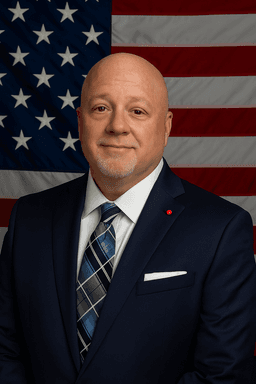 Your attorneyPaul Perkins, Esq.Of Counsel. Licensed in New Jersey.
Attorney advertising. Services are not available in all states.
Reviewed by Paul Perkins, Attorney at Law, Of Counsel. Meet the team
In New Jersey, a crash that injures or kills someone must be reported to police right away. So must one that causes property damage over the state's dollar line. The driver also files a written report with the Motor Vehicle Commission within 10 days unless an officer submits one. Top USA Law helps hurt drivers get this right.
Yes, whenever someone is hurt or killed, or the damage is more than minor. Call the police from the scene, then keep the report number.
On roads like Route 4 in Paramus, Route 46 through Clifton and Little Falls, or the New Jersey Turnpike near Newark, police can arrive quickly and write the official crash report themselves. Trouble starts when they do not: a fender bender in a mall lot that turns out to have hurt someone, or a crash where the other driver talked you out of calling. N.J.S.A. 39:4-130 sets the rules for reporting, and a missing report is one of the first things an insurer points to when it doubts a claim.
Top USA Law has its main office at 411 Hackensack Ave in Hackensack and meets clients there, by phone or by video. Paul Perkins, Of Counsel, is licensed in New Jersey and reviews our New Jersey pages.
Injury, death or one person's property damage over 500 dollars: call police, then send the MVC a report in 10 days unless an officer does.
Under N.J.S.A. 39:4-130, a driver must report a crash that causes injury, death, or property damage of more than $500 to the local police, the county police or the State Police immediately. Damage adds up fast: a bumper, a headlight and a sensor on a newer car can pass that line on their own. Past results do not guarantee a similar outcome. When in doubt, call.
If a police officer submits a written report of the crash to the Motor Vehicle Commission, the statute says your own written report is not required. If no officer submits one, N.J.S.A. 39:4-130 requires the driver to send a written report to the Motor Vehicle Commission within 10 days. The state's crash report manual names the form as the SR-1 and says it goes to Motor Vehicle Services. Keep a copy of anything you send.
The report fixes the date, the place, the drivers, the insurers and, where stated, the officer's view of how the crash happened. Your PIP carrier will ask for it. The other driver's insurer will read it before it reads your medical records. A crash that was never reported invites the question of whether it happened the way you say, or at all.
Report as soon as you can. Tell the police department for the town where the crash happened that you were taken to the hospital, and ask how to make a late report. Get the name of the officer you speak with and the date. Your hospital records showing when you arrived help explain the delay to the insurer.
Top USA Law. Services are not available in all states.
Fill in four quick fields, and a licensed attorney reviews the facts of your case at no cost.
Call the town police where the crash happened, or the State Police on the Turnpike and Parkway, and get the NJTR-1 from them.
A failure to report under N.J.S.A. 39:4-130 is a motor vehicle matter for the local municipal court. Your injury lawsuit is separate and goes to the Superior Court, Law Division, in the county where the crash happened, for example Bergen County Superior Court in Hackensack or Passaic County Superior Court in Paterson.
Town police cover local roads and can cover state highways inside town limits, such as Route 4, Route 17 and Route 46. The New Jersey State Police cover the Turnpike and the Garden State Parkway, so a Parkway crash report comes from a State Police station.
The NJTR-1 is the standard New Jersey police crash report. Write down the department and the case number at the scene. Ask that department how it releases copies, and send a copy to your PIP carrier when you open the claim.
Hackensack University Medical Center, Saint Joseph's in Paterson, University Hospital in Newark and Holy Name Medical Center in Teaneck can treat crash patients. Ask for the emergency department record that shows the time you arrived.
Two years to sue for injury. Against a public entity, file notice of claim in 90 days, then wait six months.
A licensed New Jersey attorney, Paul Perkins, Of Counsel, reviews every New Jersey claim, and our team helps you in English or Spanish.
Andranik "Andy" Boyadzhyan, Esq.
Founding Attorney
Licensed in Alabama, Missouri, New Mexico and Washington, D.C.
Featured in CNN, Forbes, Variety

Paul Perkins, Esq.
Of Counsel
Licensed in New Jersey and New York
Certified by the New Jersey Supreme Court as a Civil Trial Attorney. Lawyer of Distinction in Civil Litigation.
Featured in CNBC, Bloomberg, Forbes, The New York Times
He is a distinguished trial attorney recognized for his mastery in civil litigation. Certified by the New Jersey Supreme Court as a Civil Trial Attorney, a distinction held by fewer than 3% of attorneys statewide, he is frequently engaged by other law firms to lead complex trials.
Sundas Shafi, Esq., Attorney at Law, Head of Litigation
Rosette Kalayjian, Attorney at Law
Sandra Alves, Case Manager
Four steps from your first call to the close of your claim. You focus on healing while we deal with the insurers and keep you updated.
Free consultation
Call 24/7 or send the short form. An attorney reviews what happened and tells you where you stand. Free, no obligation.
We deal with the insurers
We deal with the insurance companies, request the police report and medical records, and keep you updated.
We build your case
Evidence, witnesses, experts and the medical picture of your injuries, prepared as if the case will go to trial.
You get paid
Medical bills, lost wages, vehicle damage, and pain and suffering. No fee unless we win; costs may apply.
Reviewed by Paul Perkins, Esq.
Fill in the four short fields in this form, and a licensed attorney reviews your case for free. We respond day or night.
Top USA Law. Services are not available in all states.
Takes 30 seconds. No obligation.