


Andranik "Andy" Boyadzhyan, Esq.
Founding Attorney
Licensed in Alabama, Missouri, New Mexico and Washington, D.C.
Featured in CNN, Forbes, Variety
Serving New York
Hurt in a crash? The insurance company already has a team working on your claim. You should too. A free call tells you where you stand.
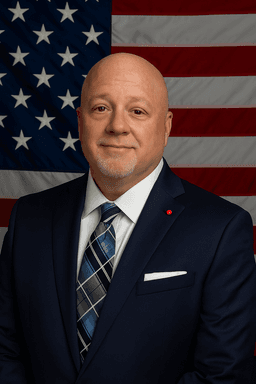 Your attorneyPaul Perkins, Esq.Of Counsel. Licensed in New York.
Attorney advertising. Services are not available in all states.
Reviewed by Paul Perkins, Attorney at Law, Of Counsel. Meet the team
In New York, once a car accident lawsuit settles, the defendant must pay within 21 days after your side delivers the signed release and stipulation, or 90 days if a municipality is paying (for the State, 90 days after the Comptroller confirms all papers arrived). Liens and court approvals can add time. Top USA Law can help.
Key takeaways
In a settled New York lawsuit, 21 days after you tender the release and stipulation, or 90 days for a municipality; the State's clock differs.
New York has a statute on this. Under CPLR section 5003-a(a), once a lawsuit for damages settles, a settling defendant must pay "all sums due" within twenty-one days. The days run from tender of a signed release and a stipulation ending the case. The clock does not start at the handshake or the mediator's room. It starts when your side delivers those signed papers, in person or by registered or certified mail with return receipt requested, which is how subdivision (g) defines "tender." The table shows who gets how long.
| Who is paying | Deadline | Clock starts |
|---|---|---|
| A private defendant or its liability insurer | 21 days | Tender of the signed release and stipulation |
| A city, county, town or village, or a public corporation not indemnified by the State | 90 days | Tender of the signed release and stipulation |
| The insurance carrier for that municipality | 21 days | Tender of the signed release and stipulation |
| The State, or a State-indemnified officer, employee or public benefit corporation | 90 days | The Comptroller's finding that all papers have been received |
| A settlement that needs a court's approval | Same as above | Tender must also include the approving order |
Papers are signed and tendered, the insurer issues payment, the check clears the lawyer's escrow account, liens are resolved, and then you are paid.
Two parts of that list are outside anyone's full control: how fast a lien holder issues a final amount, and how long a bank holds a large check. Ask your lawyer which step you are on and what is still needed. Our page on the New York lawsuit process covers what comes before settlement.
Top USA Law. Services are not available in all states.
Fill in four quick fields, and a licensed attorney reviews the facts of your case at no cost.
No. CPLR 5003-a covers settled actions, meaning lawsuits. A claim settled with an insurer before suit follows the terms of the release you sign.
Some crash claims settle with the insurer before anyone files in court. Section 5003-a speaks of "an action to recover damages" that "has been settled" and of a "stipulation discontinuing action," so its 21 and 90 day deadlines and its judgment remedy are built for lawsuits. For a pre-suit settlement, put a payment date in writing before you sign the release, and do not sign until you know the release's exact wording. The three year deadline to sue under CPLR section 214(5) keeps running while you negotiate, so do not let talks drift past it. Our guide to the first insurance offer in New York explains how to judge an offer.
You can enter judgment against the defendant without further notice, for the release amount plus costs, disbursements and interest from the date of tender.
CPLR section 5003-a(e) gives the remedy. If a settling defendant fails to pay as required, the unpaid plaintiff "may enter judgment, without further notice." The judgment is for the amount in the release, plus costs and lawful disbursements. It also adds interest from the date the release and stipulation were tendered. That is a real incentive for insurers to pay on time. Two exceptions sit in subdivision (f): the section does not apply to settlements involving an insolvent insurer under article 74 of the Insurance Law, or to future installments in a structured settlement.
Generally no. The exceptions are Medicare, Medicaid, Insurance Law article 51 benefits and workers' compensation; a self-funded federal employer plan may differ.
General Obligations Law section 5-335(a) is direct. When you settle a personal injury or wrongful death claim, in court or not, the law presumes the settlement leaves out health care costs and other economic loss that an insurer paid or must pay. The insurer then has "no lien or right of subrogation or reimbursement" against you or anyone else in the settlement for those amounts. Subdivision (c) lists the exceptions: Medicare, Medicaid, benefits specifically authorized under Insurance Law article 51, and workers' compensation. Subdivision (b) also leaves out claims for additional first-party benefits under article 51. So if Medicare or Medicaid paid crash bills, expect its repayment claim to be resolved before your share is released. Our New York health insurance page explains who pays which bill.
A death claim's settlement money is divided by the court or the Surrogate after a hearing. Any required approval order is tendered with the release.
Under EPTL section 5-4.4, wrongful death damages, "whether recovered in an action or by settlement without an action," are exclusively for the benefit of the person's distributees. They are divided by each person's financial loss. The court where the case is pending, or the Surrogate of the county that issued letters, fixes the shares after a hearing. That court may also deduct reasonable litigation expenses and medical and funeral costs included in the recovery. Section 5003-a(d) adds that when a settlement requires judicial approval, the approving order must be tendered along with the release and stipulation. Both steps add time. Families can read our New York wrongful death settlement guide.
It can. Before releasing the other driver for the full limit, give the insurer of your underinsured coverage written notice and wait 30 days.
If the at-fault driver's coverage is too small, your own supplementary underinsured motorist (SUM) coverage may add more. The required SUM endorsement form is 11 NYCRR 60-2.3. Its Condition 9 lets you release the at-fault driver for the full available limit only 30 calendar days after your SUM insurer receives your written notice. Within that time, the insurer may instead advance the settlement amount. SUM pays only after the other driver's limits are exhausted, under Insurance Law section 3420(f)(2). Settling without following those steps can put SUM at risk. See underinsured motorist claims in New York.
Clean paperwork, prompt tender and early lien work help. Missing signatures, public defendants, Medicare or Medicaid claims and court approvals add time.
What a case like this is worth: timing is one question; value is another, and it turns on the serious injury rules, treatment, lost work and insurance limits. See how New York settlements are valued.
Paul Perkins, Of Counsel, licensed in New York, reviews this page. Top USA Law meets New York clients at 100 Wall Street, Suite 2B, in Lower Manhattan, or by phone and video, and you pay no fee unless we win, and costs may apply. Borough pages: Queens car accident lawyer, Brooklyn car accident lawyer, and the statewide New York car accident lawyer page.
Related New York questions: how long a case takes, rental cars after a crash.
Earlier in a claim, read recorded statements after a New York crash and medical bill payment while the case is open.
Sue a private driver within three years. For a city, town or county, give notice in 90 days and sue within one year and 90 days.
A licensed New York attorney, Paul Perkins, Of Counsel, reviews every New York claim, and our team helps you in English or Spanish.
Andranik "Andy" Boyadzhyan, Esq.
Founding Attorney
Licensed in Alabama, Missouri, New Mexico and Washington, D.C.
Featured in CNN, Forbes, Variety

Paul Perkins, Esq.
Of Counsel
Licensed in New Jersey and New York
Certified by the New Jersey Supreme Court as a Civil Trial Attorney. Lawyer of Distinction in Civil Litigation.
Featured in CNBC, Bloomberg, Forbes, The New York Times
He is a distinguished trial attorney recognized for his mastery in civil litigation. A former opera performer turned litigator, Mr. Perkins brings the same discipline and precision from the stage to the courtroom, and has been recognized as a Lawyer of Distinction in Civil Litigation.
Sundas Shafi, Esq., Attorney at Law, Head of Litigation
Rosette Kalayjian, Attorney at Law
Sandra Alves, Case Manager
Four steps from your first call to the close of your claim. You focus on healing while we deal with the insurers and keep you updated.
Free consultation
Call 24/7 or send the short form. An attorney reviews what happened and tells you where you stand. Free, no obligation.
We deal with the insurers
We deal with the insurance companies, request the police report and medical records, and keep you updated.
We build your case
Evidence, witnesses, experts and the medical picture of your injuries, prepared as if the case will go to trial.
You get paid
Medical bills, lost wages, vehicle damage, and pain and suffering. No fee unless we win; costs may apply.
Reviewed by Paul Perkins, Esq.
Fill in the four short fields in this form, and a licensed attorney reviews your case for free. We respond day or night.
Top USA Law. Services are not available in all states.
Takes 30 seconds. No obligation.