

T Bone Accident
$1,800,000
Insurer offered$120,000
Broken pelvis and internal bleeding at an intersection. The insurer offered $120,000.
Serving Washington, D.C.
Hurt in a crash? The insurance company already has a team working on your claim. You should too. A free call tells you where you stand.
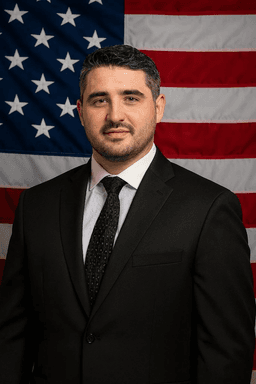 Your attorneyAndranik "Andy" Boyadzhyan, Esq.Founding Attorney. Licensed in Washington, D.C.
Attorney advertising. Services are not available in all states.
By Andranik "Andy" Boyadzhyan, Attorney at Law. Meet the team
In Washington, D.C., a broken bone claim against the at-fault driver depends on fault, the fracture's severity, surgery, healing time and lasting limits. If you elected PIP, any suit against another person also needs the District threshold met or costs above the PIP benefits available. Top USA Law can review your case. Call for a free case review.
Key takeaways
A bone breaks when more force hits it than it can bear, whether from a dashboard, a door, the pavement or a twisted limb.
MedlinePlus, in its broken bone article (reviewed 2026), explains that a bone splits or breaks when more pressure is put on it than it can stand, that a break of any size is called a fracture, and lists motor vehicle accidents among the common causes. In a District crash, a side impact at a Massachusetts Avenue intersection can drive the door into a hip or ribs, a frontal crash on Kenilworth Avenue can break a wrist braced on the wheel, and a pedestrian struck in a crosswalk on M Street can break a leg or pelvis.
MedlinePlus also notes on its fractures page that fractures commonly happen because of car accidents, falls or sports injuries, and that the type is described by whether the bone is partly or completely broken, whether it breaks through the skin, and the direction or shape of the break.
Closed and open fractures of the limbs, hips, ribs, face and spine. Whether the bone broke the skin or needed surgery shapes the claim.
MedlinePlus calls a break that punctures the skin an open, or compound, fracture; one that does not is closed. The table shows how fracture types tend to play out in a claim. It is a guide, not a diagnosis.
| Fracture | Typical care | What it adds to the claim |
|---|---|---|
| Closed fracture that lines up | Cast or splint, often for several weeks | Time in the cast, missed work, return to full use |
| Fracture needing surgery | Plates, pins or screws, then therapy | Surgical scars, hardware, longer recovery, possible later surgery |
| Open (compound) fracture | Emergency care, wound treatment, often surgery | Infection risk, scarring, longer care |
| Facial fracture (nose, jaw) | Specialist care, sometimes surgery | Disfigurement and dental or eating problems |
| Spine fracture | Brace, imaging follow-up, sometimes surgery | Lasting back or neck limits; see the back guide |
A fractured vertebra is also covered in our D.C. back injury guide.
Intense pain, a limb that looks out of place, swelling or bruising, numbness or tingling, bone through the skin, or trouble moving or bearing weight.
The MedlinePlus broken bone article lists a visibly out-of-place limb or joint, swelling, bruising or bleeding, severe pain, numbness and tingling, broken skin with bone protruding, and limited mobility or inability to bear weight. It advises not moving a person if a head, neck or back injury is suspected, and getting emergency help right away when the skin is broken, to prevent infection.
The MedlinePlus fractures page says to get medical care right away if you think a bone is broken. Serious fractures in the District can be taken to MedStar Washington Hospital Center, George Washington University Hospital or Howard University Hospital, three of the four Level 1 trauma centers on DC Health's list (the fourth, Children's National Hospital, treats children). Ask for copies of the X-ray reports from that first visit.
Top USA Law. Services are not available in all states.
Fill in four quick fields, and a licensed attorney reviews the facts of your case at no cost.
Most fractures are held still in a cast or splint while they heal; some need surgery with plates, pins or screws, followed by therapy.
MedlinePlus says the most common treatment for a fracture is a cast or splint that keeps the bone from moving while it heals, often for several weeks depending on the fracture and the bone, and that some cases need surgery to put in plates, pins or screws. Your provider diagnoses a fracture with an exam and likely an X-ray or other imaging.
Each stage creates proof. The X-ray shows the break. An operative report describes the hardware. Follow-up films show how the bone healed. Therapy notes record strength and range of motion. A surgeon's note may say whether hardware could come out later or whether arthritis is a risk; those future care opinions matter when the claim is valued. Treatment choices belong to you and your doctors.
Under District law, health coverage you are eligible for pays first; PIP, if bought and elected within 60 days, pays the deductible and the balance.
The order comes from D.C. Code section 31-2406(g): PIP may not be claimed, other than to cover a deductible, for a loss that another insurer or coverage would pay, unless that coverage has been exhausted. A surgery and hospital stay therefore run through your health plan first.
Under D.C. Code section 31-2404, PIP is optional; PIP medical coverage, where bought, is at least $50,000 and PIP work loss coverage at least $12,000 (each can be bought separately), paid without regard to fault to an insured, an occupant of the insured's vehicle, or an occupant of a vehicle the insured is driving. Past results do not guarantee a similar outcome. How that rule and a PIP election interact for bills your plan paid is a question for your lawyer. See who pays District medical bills and health insurance after a D.C. crash.
Not automatically. The 31-2405 threshold has no fracture category; a break needs permanence, a long recovery, scarring, or medical or work-loss costs above PIP.
Under D.C. Code section 31-2405, a victim has 60 days after the crash to tell the PIP insurer whether they elect PIP. No election within 60 days means the liability coverage applies and no lawsuit limit. A victim who elects PIP may sue only through one of the four routes in the table, and the statute does not list fractures as a route of their own.
The insurer must tell an identifiable victim about the 60 day window in writing, and the window can be extended only by written agreement. If the person with the fracture is in surgery or otherwise unable to decide, 31-2405 lets the next closest relative, or, if there is no relative, a person taking responsibility for their affairs, make the election. For a fracture with a long recovery ahead, that choice deserves a careful look at the costs you expect, because the fourth route turns on whether medical and rehabilitation expenses or work loss exceed what PIP provides.
| Route in the statute | How a fracture can meet it |
|---|---|
| Substantial permanent scarring or disfigurement | Surgical scars from plates or screws, or a facial fracture that changes appearance |
| Substantial, medically demonstrable permanent impairment significantly affecting work or usual activities | A joint that will not regain full motion, or a limp after a leg or pelvic fracture |
| Medically demonstrable impairment preventing substantially all usual activities for more than 180 continuous days | A long period non-weight-bearing and in rehab after surgery |
| Medical and rehabilitation expenses or work loss above available PIP | Surgery and hospital costs, or months off work, beyond your PIP limits |
A small fracture that heals fully in a cast may not meet the first three routes, but medical or work-loss costs above PIP still can. Read the D.C. Code 31-2404 card before answering the election letter.
By the bone and the break, surgery, time to heal, lasting limits, scarring, lost work, fault and insurance limits. No formula fixes the figure.
| Factor | Raises value | Lowers value |
|---|---|---|
| Severity | Displaced, open or multiple fractures | A hairline break healed in a cast |
| Surgery | Plates, pins or screws; a second surgery advised | No surgery and no further care expected |
| Recovery time | Months non-weight-bearing, long therapy | Quick return to normal activity |
| Lasting effects | Stiffness, arthritis risk, visible scars, a doctor's permanence opinion | Full recovery documented |
| Work | Physical job you could not do for months | No missed work |
| Coverage | Adequate liability limits plus underinsured coverage | A $25,000 minimum policy alone |
Past results do not guarantee a similar outcome. See what decides a D.C. settlement, the District settlement worksheet and pain and suffering in the District.
In each case, the insurance company made a first offer. Here is what our clients received instead. Past results do not guarantee a similar outcome.
T Bone Accident
$1,800,000
Insurer offered$120,000
Broken pelvis and internal bleeding at an intersection. The insurer offered $120,000.
Rideshare Accident
$950,000
Insurer offered$35,000
Multiple fractures as a rideshare passenger. The insurer offered $35,000.
Pedestrian Hit by Car
$725,000
Insurer offered$25,000
Hip fracture and concussion in a crosswalk. The insurer offered $25,000.
Every case is different. Past results do not guarantee, warrant, or predict a similar outcome.
An insurer may blame low bone density, but harm the crash caused is still part of the claim, and medical records answer that argument.
The MedlinePlus fractures page says low bone density and osteoporosis weaken bones and make a break much more likely. An adjuster may use that to argue the break would have happened anyway. The answer is the crash itself: the force of the impact, the location of the break, and a treating doctor who ties the fracture to the collision. Give your lawyer any earlier bone density results or fracture history so nothing surprises you.
Car occupants can be barred for slight fault; pedestrians, cyclists, motorcyclists and other vulnerable users face a narrower bar under D.C. Code 50-2204.52.
Contributory negligence is the District's rule for claims between drivers and passengers of cars, so the fault evidence must be strong: the MPD crash report, photos, video and witnesses. Side impacts at intersections can break hips and ribs, and there the light, the right of way and each car's speed matter; our D.C. T-bone fault guide and the partly at fault guide explain how fault is decided.
For people on foot, on a bike or on a motorcycle, and other vulnerable users, D.C. Code 50-2204.52 bars recovery only if the person's negligence was a proximate cause and greater than the combined negligence of all defendants; see the Collision Recovery Act card and the D.C. pedestrian accident lawyer page. A missing seat belt is not evidence of negligence and cannot reduce damages under D.C. Code 50-1807.
X-ray and CT reports, operative notes, follow-up films, therapy records, photos of casts and scars, and proof of missed work.
If your PIP insurer asks for an examination, D.C. Code 31-2411(b) requires a claimant whose condition is material to submit under the policy terms, and you can ask for a free copy of each written report.
The bone heals, doctors judge lasting limits, then talks follow. Sue within three years; a District-owned vehicle needs Mayor notice in six months.
Under D.C. Code section 12-301, an injury lawsuit must be filed within three years. If a District-owned vehicle was involved, written notice to the Mayor within six months under D.C. Code 12-309 is required first. A fracture that may need a second surgery is worth valuing only once that question is answered. See how long a District case takes and the D.C. Code 12-301 page.
A healed fracture can still leave questions: whether the joint will stiffen, whether hardware will need to come out, and whether you can return to the same work. Those answers can come only at a later follow-up visit, months after the cast is off. Waiting for them, while keeping the three year deadline in view, helps make sure the claim covers what the break will cost over time, not just the first few months of care.
Keep every appointment, decide the PIP election in time, photograph the cast and scars, save receipts, and avoid statements and releases too early.
When you are ready, our D.C. demand letter guide explains how the claim is presented.
Fractures can come with head, neck or back injuries, and the worst crashes raise a family's claim; these District guides cover each.
Injury guides: brain injury and concussion, neck injuries and herniated discs. For a fatal crash, see the D.C. wrongful death settlement guide. Local pages: the Washington, D.C. car accident lawyer page and the D.C. truck accident lawyer page.
Call or send your records. A lawyer reviews the fracture, surgery, recovery, fault, the PIP election and coverage with you, free to start.
Find out what your case may be worth. A free review covers the imaging, the surgery, the time off work and every policy that may pay. No one can predict the outcome, but you will know what the claim needs. Our District car accident lawyer overview explains how the firm works. Call (877) 411-5291. You pay no fee unless we win, and costs may apply.
Sue within three years, or two after a death. District claims need Mayor notice in six months; elect PIP in 60 days.
A licensed Washington, D.C. attorney, Andranik "Andy" Boyadzhyan, Founding Attorney, reviews every Washington, D.C. claim, and our team helps you in English or Spanish.

Andranik "Andy" Boyadzhyan, Esq.
Founding Attorney
Licensed in Alabama, Missouri, New Mexico and Washington, D.C.
Featured in CNN, Forbes, Variety

Paul Perkins, Esq.
Of Counsel
Licensed in New Jersey and New York
Certified by the New Jersey Supreme Court as a Civil Trial Attorney. Lawyer of Distinction in Civil Litigation.
Featured in CNBC, Bloomberg, Forbes, The New York Times
Andranik "Andy" Boyadzhyan is the founding attorney of Top USA Law. His background spans business law, civil litigation, and personal injury, and his practice today focuses on motor vehicle accident claims.
Sundas Shafi, Esq., Attorney at Law, Head of Litigation
Rosette Kalayjian, Attorney at Law
Sandra Alves, Case Manager
Four steps from your first call to the close of your claim. You focus on healing while we deal with the insurers and keep you updated.
Free consultation
Call 24/7 or send the short form. An attorney reviews what happened and tells you where you stand. Free, no obligation.
We deal with the insurers
We deal with the insurance companies, request the police report and medical records, and keep you updated.
We build your case
Evidence, witnesses, experts and the medical picture of your injuries, prepared as if the case will go to trial.
You get paid
Medical bills, lost wages, vehicle damage, and pain and suffering. No fee unless we win; costs may apply.
Reviewed by Andranik "Andy" Boyadzhyan, Esq.
Fill in the four short fields in this form, and a licensed attorney reviews your case for free. We respond day or night.
Top USA Law. Services are not available in all states.
Takes 30 seconds. No obligation.